CONTACT US
Enter your Name, Email Address and a short message. We'll respond to you as soon as possible.
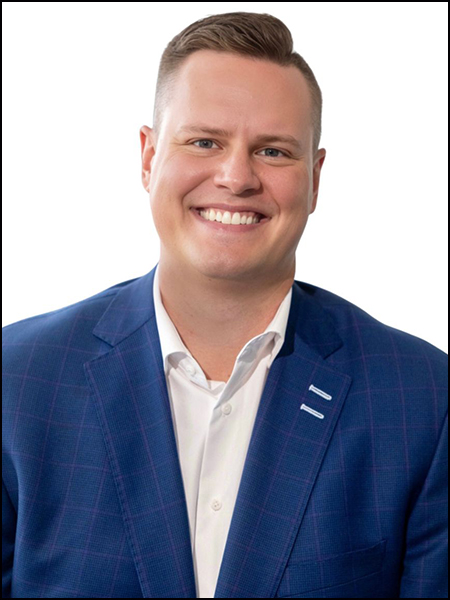

Doug Oosterhart, CFP®
Owner/Financial Advisor
LifePoint Planning, PLLC
1821 Walden Office Square, Suite 400
Schaumburg, IL 60173
Phone: 844-505-3618
Email: doug@lifepointplanning.com
Website: www.lifepointplanning.com


Just as larger corporations do, self-employed business owners, freelancers, and gig workers need to engage in strategic tax planning to minimize liability and maximize savings.
If you receive or issue IRS Forms 1099-NEC or 1099-MISC for payments to nonemployees, the reporting threshold rises from $600 to $2,000 in 2026. This amount will adjust for inflation in future years. Reporters will have less work, while form recipients should plan to track and report small fees received.
Connect with your trusted advisor now to create a focused, forward-looking tax strategy that positions you for savings in 2027 and beyond. Act today to ensure you're prepared for upcoming changes and to maximize every opportunity.
Enter your Name, Email Address and a short message. We'll respond to you as soon as possible.
LifePoint Planning, PLLC and LTM Marketing Solutions, LLC are unrelated companies. This publication was prepared for the publication’s provider by LTM Marketing Solutions, LLC, an unrelated third party. Articles are not written or produced by the named representative.
The information and opinions contained in this web site are obtained from sources believed to be reliable, but their accuracy cannot be guaranteed. The publishers assume no responsibility for errors and omissions or for any damages resulting from the use of the published information. This web site is published with the understanding that it does not render legal, accounting, financial, or other professional advice. Whole or partial reproduction of this web site is forbidden without the written permission of the publisher.