CONTACT US
Enter your Name, Email Address and a short message. We'll respond to you as soon as possible.
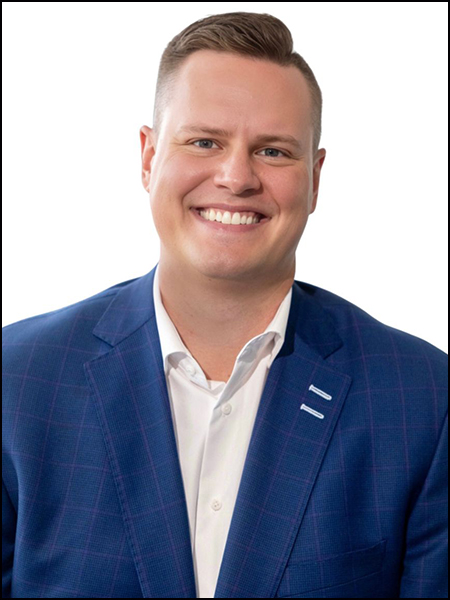

Doug Oosterhart, CFP®
Owner/Financial Advisor
LifePoint Planning, PLLC
1821 Walden Office Square, Suite 400
Schaumburg, IL 60173
Phone: 844-505-3618
Email: doug@lifepointplanning.com
Website: www.lifepointplanning.com


Naming your spouse as trustee provides essential familial insight and continuity, but you must carefully balance these advantages against possible risks. Consider these questions. How well do you and your spouse communicate about finances? Trusts are complex. They require handling investments, taxes, and longterm wealth strategies. If you and your spouse disagree on these issues, naming them as a trustee may cause conflict. Also, consider whether they have the knowledge or experience to handle these tasks.
Your trusted advisor can guide you through these questions. You may find that appointing a neutral party, such as a professional trustee, another family member, or a close friend, as trustee or co-trustee with your spouse is the best choice.
*Source: 2025 Trends in Trust and Estate Planning, wealthmanagement.com.
Enter your Name, Email Address and a short message. We'll respond to you as soon as possible.
LifePoint Planning, PLLC and LTM Marketing Solutions, LLC are unrelated companies. This publication was prepared for the publication’s provider by LTM Marketing Solutions, LLC, an unrelated third party. Articles are not written or produced by the named representative.
The information and opinions contained in this web site are obtained from sources believed to be reliable, but their accuracy cannot be guaranteed. The publishers assume no responsibility for errors and omissions or for any damages resulting from the use of the published information. This web site is published with the understanding that it does not render legal, accounting, financial, or other professional advice. Whole or partial reproduction of this web site is forbidden without the written permission of the publisher.