CONTACT US
Enter your Name, Email Address and a short message. We'll respond to you as soon as possible.
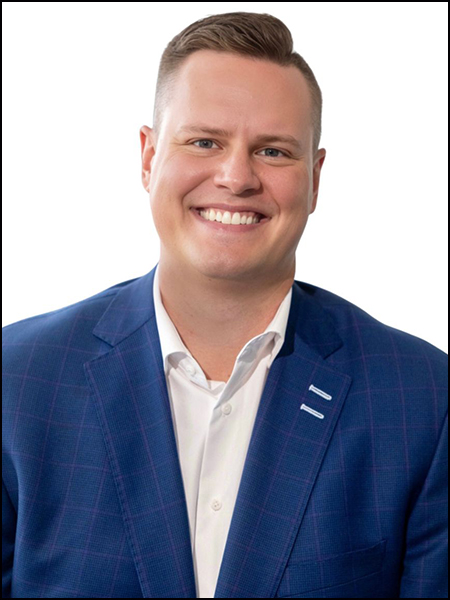

Doug Oosterhart, CFP®
Owner/Financial Advisor
LifePoint Planning, PLLC
1821 Walden Office Square, Suite 400
Schaumburg, IL 60173
Phone: 844-505-3618
Email: doug@lifepointplanning.com
Website: www.lifepointplanning.com


After experiencing a significant loss in a particular stock or sector, an investor might become overly risk averse. The pain from the loss distorts their future decisions. Instead of evaluating opportunities logically, they steer clear of anything that reminds them of the investment that caused the pain.
After a rough patch, it's common to become overly cautious. You might find yourself avoiding investments that even slightly resemble what caused your initial loss. This psychological defense can lead to missed opportunities. Markets are all about movement, and while it's wise to be careful, being excessively risk-averse can prevent you from making smart investments.
Approach new opportunities with an open mind. Instead of putting all your bets on a single area, consider diversifying your portfolio—if you haven't already—to include different sectors. That way, if one area encounters volatility, you have other investments to rely on.
*Asset allocation won't guarantee a profit or ensure against a loss but may help reduce volatility in your portfolio.
Enter your Name, Email Address and a short message. We'll respond to you as soon as possible.
LifePoint Planning, PLLC and LTM Marketing Solutions, LLC are unrelated companies. This publication was prepared for the publication’s provider by LTM Marketing Solutions, LLC, an unrelated third party. Articles are not written or produced by the named representative.
The information and opinions contained in this web site are obtained from sources believed to be reliable, but their accuracy cannot be guaranteed. The publishers assume no responsibility for errors and omissions or for any damages resulting from the use of the published information. This web site is published with the understanding that it does not render legal, accounting, financial, or other professional advice. Whole or partial reproduction of this web site is forbidden without the written permission of the publisher.